Active Ingredient:
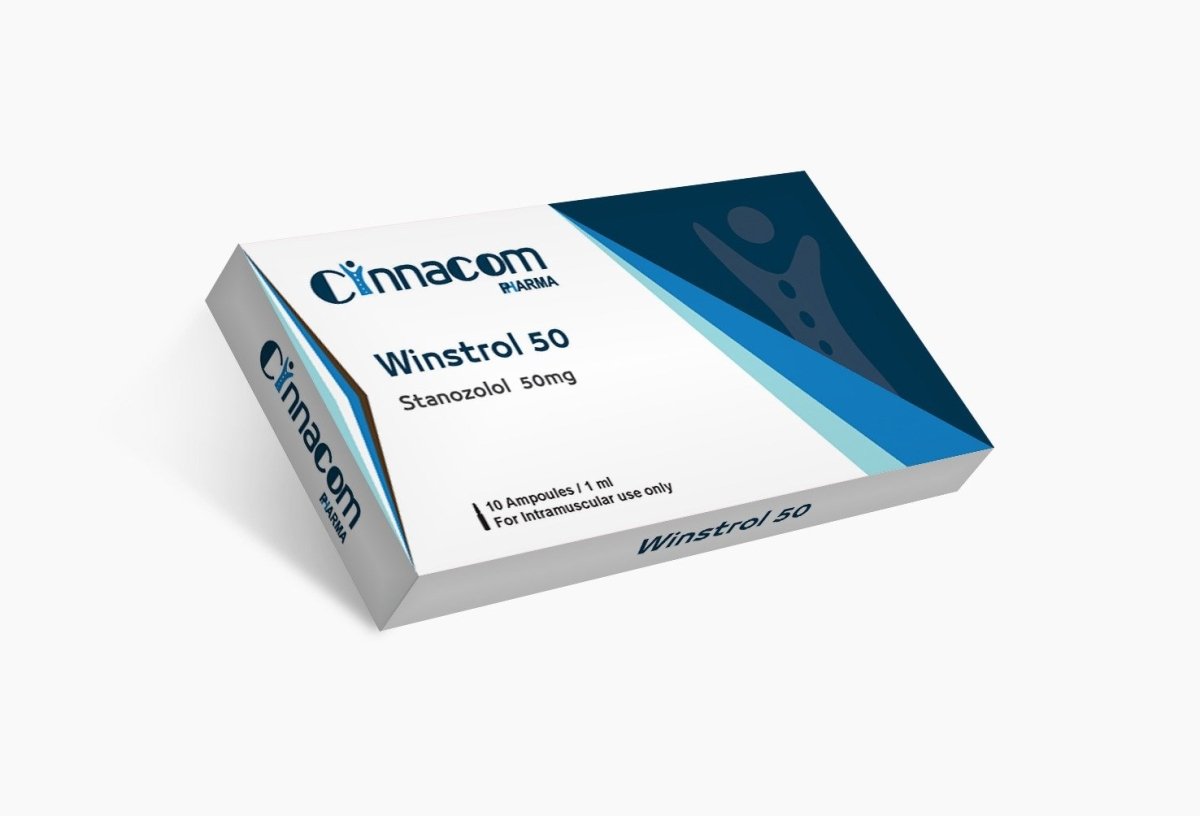
- Stanozolol (commonly known as Winstrol)
What is Stanozolol (Winstrol)?
Stanozolol, or Winstrol, is an anabolic steroid used by athletes and bodybuilders to improve performance, build muscle mass, and enhance physical appearance. However, its use is associated with significant health risks, including liver toxicity, cardiovascular issues, and hormonal imbalances.
Stanozolol can be taken orally or injected and is known for its muscle-building effects. However, prolonged use or misuse of this steroid can lead to serious and long-lasting side effects.
Medical Uses of Stanozolol
While primarily used in the bodybuilding community, Stanozolol does have limited medical applications, including:
- Treatment of hereditary angioedema.
- Management of certain anemias and conditions requiring stimulation of red blood cell production.
However, its off-label use for enhancing athletic performance is widespread.
Administration and Dosage
Stanozolol can be taken either orally or via injection. Dosages can vary depending on the purpose:
- Medical dosage: Administered as per a doctor's recommendation.
- Athletic or bodybuilding use: Doses are typically higher and should be used under medical supervision due to the significant risks associated with the drug.
Side Effects of Stanozolol (Winstrol)
Stanozolol use is associated with several serious side effects:
1. Liver toxicity:
- One of the most serious concerns. Prolonged use or high doses can cause liver damage, liver cancer, or even liver failure.
- Signs of liver distress include jaundice (yellowing of the skin), dark urine, and severe abdominal pain.
2. Cardiovascular health risks:
- Stanozolol can lower HDL (good cholesterol) and raise LDL (bad cholesterol), increasing the risk of atherosclerosis (artery plaque buildup), which may lead to heart attacks or strokes.
- High blood pressure (hypertension) can also develop, further straining the cardiovascular system.
3. Hormonal imbalances:
- In men, it can cause suppression of natural testosterone production, leading to testicular atrophy, decreased libido, infertility, and gynecomastia (breast tissue development in men).
- In women, virilization may occur, with symptoms like a deepened voice, increased body or facial hair, and menstrual irregularities. These changes can be irreversible.
4. Musculoskeletal issues:
- Stanozolol can dry out joints and tendons, leading to joint pain and an increased risk of tendon ruptures. This can make athletes more prone to injury, even as their muscles grow stronger.
5. Psychological effects:
- Mood swings, aggression, irritability, and depression are common among users. Psychological distress can be worsened by the physical and health concerns associated with steroid use.
6. Skin and hair changes:
- Acne and oily skin are common due to increased sebum production. Hair loss is also a potential side effect, especially in individuals genetically predisposed to male pattern baldness.
7. Dependence and withdrawal risks:
- Long-term users may develop a dependence on the drug. Withdrawal symptoms, including fatigue, weakness, and depression, can occur when the drug is discontinued, making it difficult to stop without medical assistance.
Contraindications
Stanozolol should not be used by individuals with:
- Liver or kidney disease.
- Prostate or breast cancer.
- Cardiovascular diseases or risk factors.
- Known hypersensitivity to the drug.
- Pregnant or breastfeeding women.
Special Considerations
Regular liver function tests and cardiovascular monitoring are essential during the use of Stanozolol due to its significant risks. Psychological health should also be monitored, and users should be aware of the potential for dependency.

 English
 العربية